Thursday, 10 January 2013

'Absence' Painting

Developing flat areas of colour: 
The more layers I apply the deeper and richer the colour becomes and the painting becomes more alive. Areas of the painting are quite busy and loaded with colour and line. The area of flat colour creates space with in the painting and the viewers eye falls towards the flat spaces looking for a line or detail which may give an explanation of  the painting.

"Absence" Oil on Canvas 160x120cms

Detail of 'Absence'

Detail of 'Absence'

Detail of 'Absence'

Detail of 'Absence'
Varied brush marks and space send the viewers eye searching the space with in the painting, trying to figure out what it is about. For me the movement, space and vibrant colours draw me to figure out what is happening in the work.

Thursday, 3 January 2013

More Experiments

I layered varnish and acrylic paint beneath which was a thin wash of blue acrylic paint.


The rejection of paint from the varnish forces the paint to break up into miniature rivers which branch off in all directions. I am interested in attempting to create this on canvas.

Washes of oil paint and varnish.

In places the varnish and oil mix, this tends to happen when the thickness  is the same.

The thinness of the mediums allows the texture of the paper to come through the paint.

Wednesday, 2 January 2013

Thinned Dripping Oil Painting


I am interested in letting the paint find its own way across the canvas. By manipulating the canvas and moving it around I am forcing the paint to travel in one direction but have no control to what actually the finished image will be.
    

In the image above heavy thick line sits next to watery thinned paint, I like the translucent next to the solid thick heavy line. This contrast in the weight of paint and therefore the difference in application is interesting to me, I definitely like to see contrast in the thickness of application. Perhaps I should now experiment with leaving part of the canvas bare.

Friday, 28 December 2012

Who Inspires? What inspires?

Cecily Brown


Arshille Gorky


Playing around with Varnish and thinned down oil paint.


When varnish and thinned oil paint meet their texture allows them to to bleed into each other.

Without forcing the two the oil branches into the varnish forming craters of colour next to the translucency of the varnish. I am interested in how this may work within a painting.


This experiment is a mixture of oil and acrylic paint. the thickness of the oil paint washes in to and over the acrylic, while the watery fluid of acrylic flows over the paper. I manipulated the paper to force the paint to move around so that it may mix, I found that the oil and acrylic repelled each other.


Thursday, 20 December 2012

Dr Alison Green and Dexter Dalwood


Dexter Dalwood, study for 'The trial of Milosevic', oil on canvas.

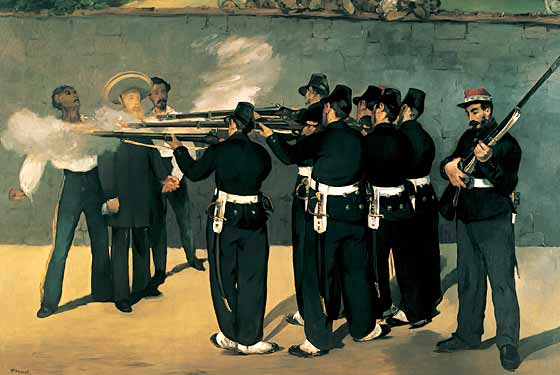
Listening to Dexter Dalwood speak about the painting 'The Trial of Milosevic' was a fascinating insite into how he prepares and thinks about creating a painting. His interest in history and political issues feed his work. He attempts to paint things which have not yet been painted, situations and issues which surround our current world. Dexter has been influenced by work such as Édouard Manet's The Execution of Maximilian, 1868-69 (image below). Also by Bellini paintings like The Assassination of St. Peter, (below).


Giovanni Bellini's The Assassination of Saint Peter Martyr (1507) 


The Bay Of Pigs, Dexter Dalwood